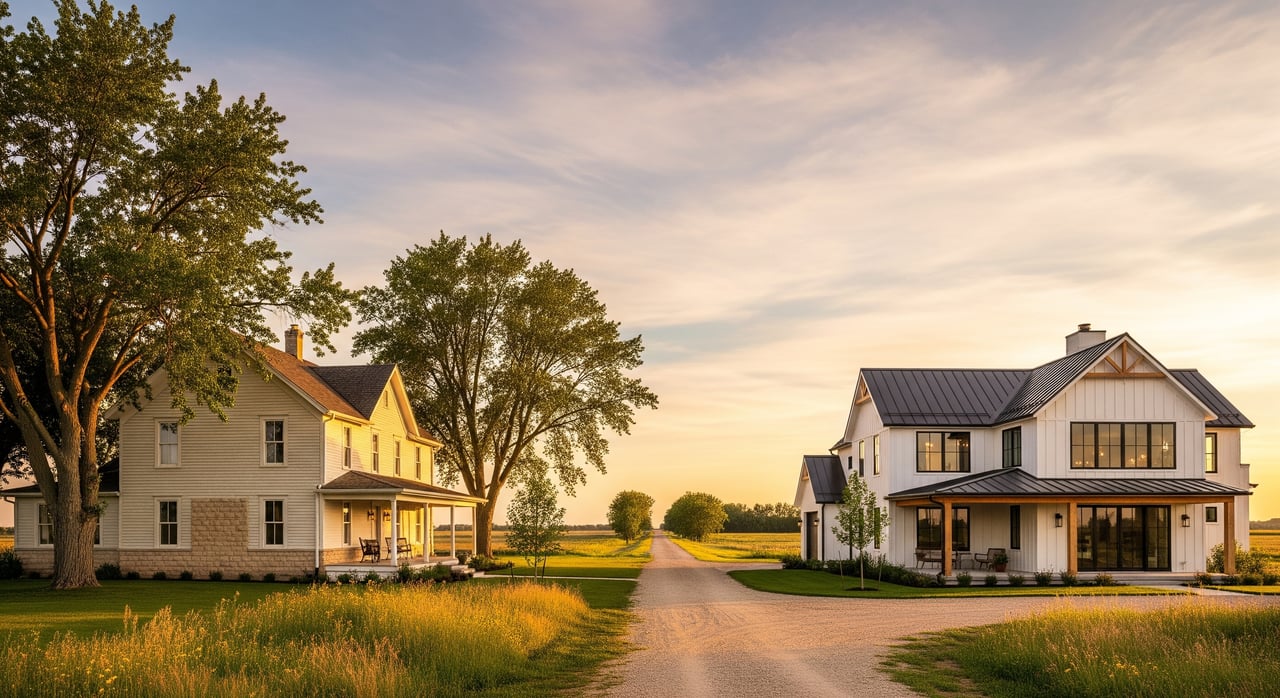
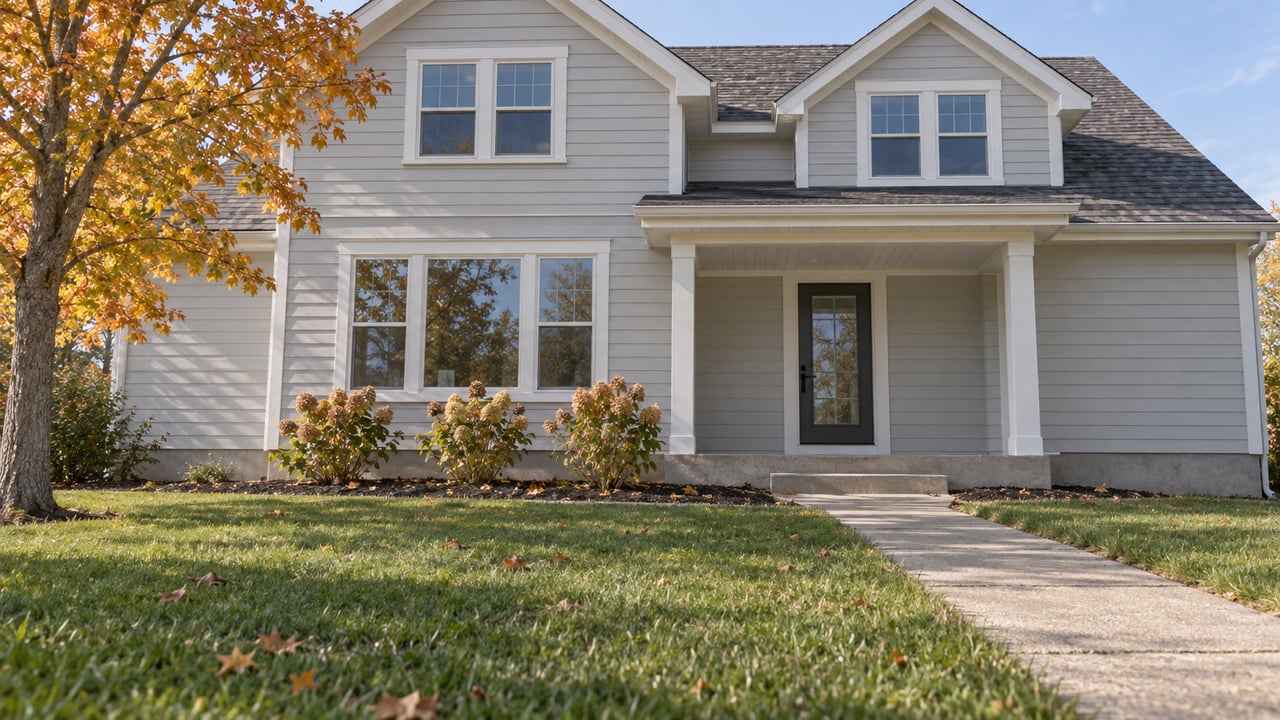
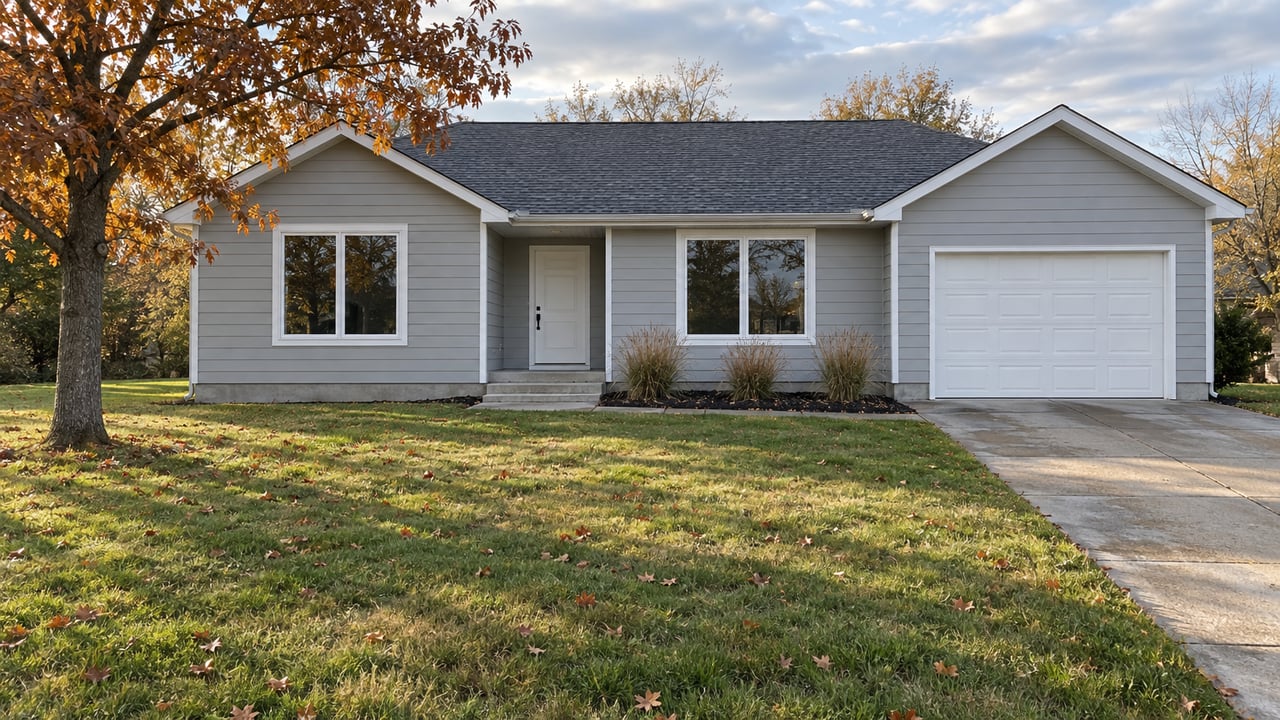
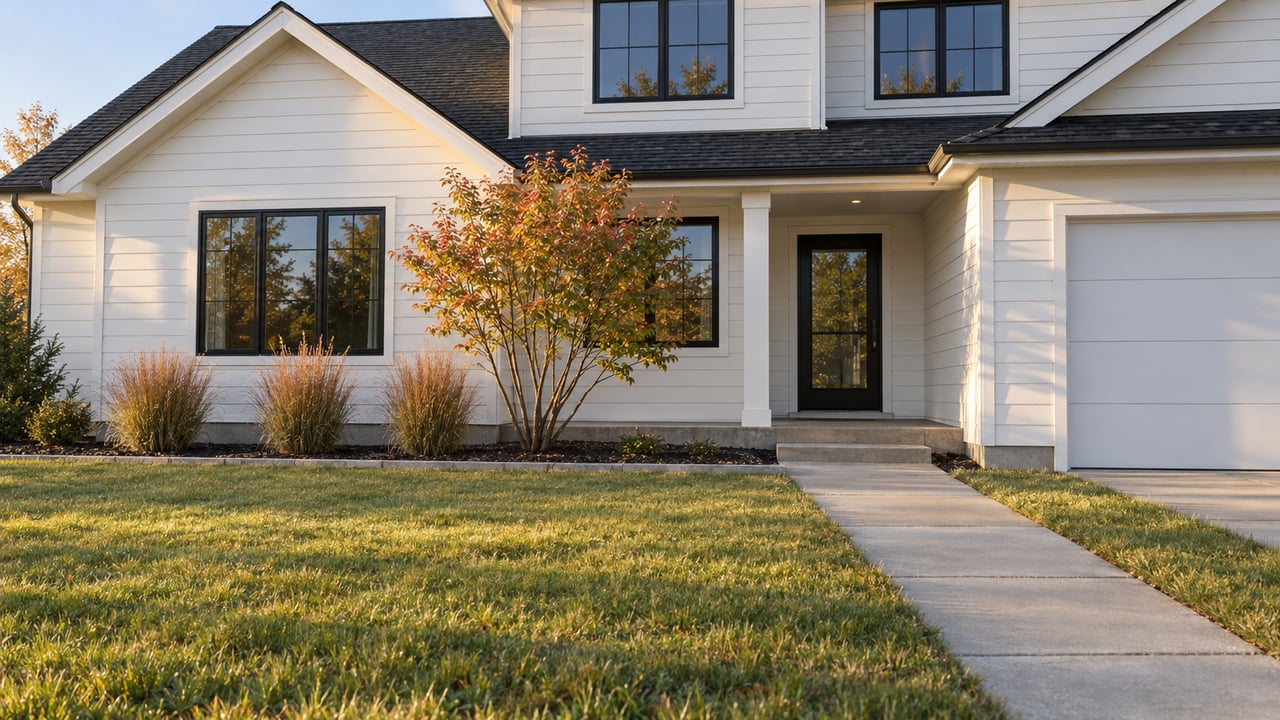
Should you build a brand-new home or buy an existing one in Hartford? It is a big decision that shapes your budget, your timeline, and your day-to-day life. If you are trying to balance customization with move-in speed, or energy efficiency with neighborhood maturity, you are not alone. In this guide, you will learn how to compare total costs, financing, timelines, inspections, and lot factors specific to Hartford and Minnehaha County so you can choose with confidence. Let’s dive in.
New vs. existing: the big picture
Buying a new build gives you modern layouts, current code standards, and a builder warranty. You also get the chance to pick finishes and, in some cases, fine-tune the plan.
Choosing an existing home can mean a faster move, established neighborhoods, mature landscaping, and a clearer picture of utility costs and taxes from day one. You may also find value opportunities depending on days on market and condition.
The right path depends on how soon you need to move, how much customization you want, and how you prefer to structure your budget.
Total cost in 57033
Think beyond list price. Your total cost includes purchase price, soft costs, and ongoing expenses.
New build cost factors
- Purchase price and upgrades: New homes often carry a premium for lot selection, finishes, or plan changes.
- Soft costs: Lot premiums, site prep, utility hookups, permits, impact fees, engineering or third-party inspections, HOA initiation, and warranty enrollments can add up.
- Operating costs: New homes typically offer lower near-term maintenance and better energy performance because they meet current code standards.
- Taxes and insurance: New construction can be reassessed quickly after completion. Ask the Minnehaha County Assessor how assessments are phased. If a lot sits in or near a mapped flood area, that can affect insurance.
Existing home cost factors
- Purchase price: Existing homes can be priced at or below comparable sales, especially if they have longer days on market or need updates.
- Soft costs: Inspections, potential repair credits or fixes, appliance replacements, roof or HVAC updates, and landscaping or accessibility work may be needed soon after closing.
- Operating costs: Older systems may lead to higher near-term maintenance or energy usage.
Financing differences
New construction types
- Spec homes: Homes already started by a builder. If near completion, you may close in weeks.
- Inventory homes: Completed but unsold. These can also offer fast closings.
- Custom builds: You select a plan and finishes with a longer timeline.
Loan structures
- Construction-to-permanent loans are common for custom builds and involve staged draws, more documentation, and potentially larger down payments.
- Appraisals for new homes may rely on comparable new-build sales. Your lender will explain the approach.
Rate locks and incentives
- Longer build timelines can complicate rate locks. Some buyers use builder rate buydowns or lender rate protection options.
- Builders sometimes offer closing-cost help, reduced lot premiums, or upgrade credits, especially on spec or inventory homes.
Timeline and process
New build stages
- Lot selection and contract
- Site prep and foundation
- Framing, then mechanicals (plumbing, electrical, HVAC)
- Insulation and drywall
- Trim and finishes
- Final inspections, certificate of occupancy, and closing
Spec or inventory homes can close within weeks if complete. Full custom builds typically take several months, depending on builder backlog and weather. Confirm current local lead times.
Existing home purchase steps
- Offer and acceptance
- Inspection and repair negotiations
- Appraisal and underwriting
- Closing
Existing home timelines often span several weeks to a few months, depending on financing and contingencies.
Inspections and warranties
New-build oversight
- Warranties: Many builders provide a workmanship warranty (often about 1 year), a systems warranty for major mechanicals (often about 2 years), and a structural warranty for load-bearing elements (often up to 10 years). Get the specific terms in writing.
- Inspections: Plan a pre-drywall inspection and a final inspection. Hiring an independent inspector familiar with new construction helps catch issues early.
- Punch list: Ensure your contract sets timelines and remedies for incomplete items and includes a clear warranty claim process.
Existing-home inspections
- General home inspection is standard, with add-ons like radon, sewer scope, or specialty checks if the home’s age or systems suggest it.
- Repairs or credits are commonly negotiated after inspections.
Lot and site in Hartford
The Hartford area includes both established neighborhoods and growing subdivisions. Site details can change your budget and build plan.
- Utilities: Confirm municipal water and sewer access. Some transition areas still use well and septic. Hookup needs affect cost and inspections.
- Drainage and foundation: Local frost depth and soil conditions require careful footing design. Verify the builder follows local code and uses frost-protected systems where needed.
- Orientation and winter access: Sun exposure matters for comfort and snow melt. Consider driveway slope, sidewalk snow removal, and wind.
- Easements, covenants, and HOAs: New subdivisions may have architectural controls, fencing and landscaping rules, and design review that protect values but limit customization. Review covenants and fees before you sign.
- Floodplain and wetlands: Use county GIS and flood maps to check lot elevation and drainage needs. Special insurance or site work may be required for low-lying parcels.
Resale and neighborhood fit
- New subdivisions: Expect some construction activity in the early years. Values can evolve as roads, services, and commercial options expand.
- Existing neighborhoods: You get immediate context with mature trees, established utility costs, and a known street scene.
- Commute and services: Proximity to Sioux Falls employment centers is a common priority. Compare routes, planned road projects, and city services.
Decision checklist
Use this shortlist to clarify your fit before you tour homes or sign a builder contract.
Personal and financial fit
- Do you want to move quickly or can you wait months?
- Do you prefer a fixed budget or the ability to select upgrades that add cost?
- Are you comfortable with construction financing if you choose a custom build?
Cost and financing
- Get lender quotes for both purchase and construction-to-permanent options.
- Ask builders for written line-item estimates on lot premiums, hookups, impact fees, and typical upgrades.
- For existing homes, budget for inspection findings plus a contingency for surprises.
Timeline and logistics
- Confirm builder lead times, milestones, and remedies for delays.
- Check permit schedules and any city projects that could affect access or timing.
Inspections and warranty
- Plan for pre-drywall and final inspections on new builds; order a full inspection on existing homes.
- Get warranty terms and claim procedures in writing.
Site and neighborhood
- Review HOA covenants, setbacks, easements, and floodplain status.
- Visit at different times of day and in winter conditions to test access and noise.
Resale and long-term value
- Compare recent sales and nearby development plans.
- Consider how long you plan to stay and whether you can recoup upgrade costs over time.
How we negotiate for you
When you build or buy in 57033, the details of your contract matter. Here is how we approach it so you keep leverage and clarity.
- Builder research: We review the builder’s track record, warranty responsiveness, and standard inclusions vs. upgrades.
- Transparent pricing: We request a written inclusions list and current incentives before you commit.
- Smart financing: We coordinate with lenders on rate locks, construction draws, and appraisal strategy.
- Negotiation levers: We focus on practical wins like closing-cost help, rate buydowns, finished-basement or landscaping credits, appliance upgrades, or reduced lot premiums.
- Protective contingencies: We preserve inspection rights, set a punch-list completion window, and can structure holdbacks to ensure finish work is completed.
- Repair strategy for existing homes: We prioritize health, safety, and major systems using contractor estimates to justify credits or repairs.
Local steps to verify
Before you finalize your path, confirm the local details that affect cost, timeline, and peace of mind.
- Review active listings and new-build inventory through the local MLS for Hartford and Sioux Falls.
- Call the City of Hartford Building Department about permits and inspection schedules.
- Check Minnehaha County Assessor and GIS for parcel data, floodplain layers, and easements.
- Ask local lenders about construction-to-permanent products, rate protections, and down payment needs.
- Line up an independent inspector who handles both new-construction and existing-home inspections.
- Request HOA covenants, conditions, and restrictions before signing a builder agreement.
Which path fits you?
Choose a new build if you want modern design, lower near-term maintenance, and a warranty-backed home, and you can manage the longer timeline and upgrade choices. Go existing if you value a quicker move, a known neighborhood setting, and the potential to buy at or below comps and improve over time. Both can be smart plays in Hartford. It comes down to your budget, timing, and comfort with the process.
Ready to compare specific homes, builders, and neighborhoods in 57033? Schedule a consultation with the Berberich Real Estate Group to map out your costs, timeline, and best-fit options.
FAQs
What costs are unique to new construction in Hartford?
- Expect potential lot premiums, site prep, utility hookups, permits or impact fees, builder upgrade pricing, HOA initiation, and third-party warranty enrollments.
How long does a new home take to build in Minnehaha County?
- Spec or inventory homes can be ready within weeks if complete, while full custom builds typically take several months depending on builder backlog and weather.
Are new homes in 57033 more energy efficient than older homes?
- Generally yes, because new construction must meet current building code energy provisions, but verify insulation, windows, HVAC efficiency, and any energy tests.
Can I negotiate with a builder near Sioux Falls and Hartford?
- Yes; common wins include closing-cost help, interest-rate buydowns, reduced lot premiums, certain upgrades, and sometimes base price flexibility on inventory homes.
How do property taxes work on a new build in Hartford?
- New homes can be reassessed soon after completion; ask the Minnehaha County Assessor about timing and how it may affect your first-year tax bill.
What inspections should I plan for on a new build?
- Schedule a pre-drywall inspection and a final inspection, and complete a detailed punch list; use an independent inspector familiar with new construction.