Are you trying to make sense of Dell Rapids home prices, inventory, and how fast homes sell? In a small market, a single sale can skew the averages, so it helps to know which numbers matter and how to read them. Whether you plan to buy, sell, or explore new construction, you’ll walk away with a clear way to track the market and set realistic expectations. Let’s dive in.
Dell Rapids at a glance
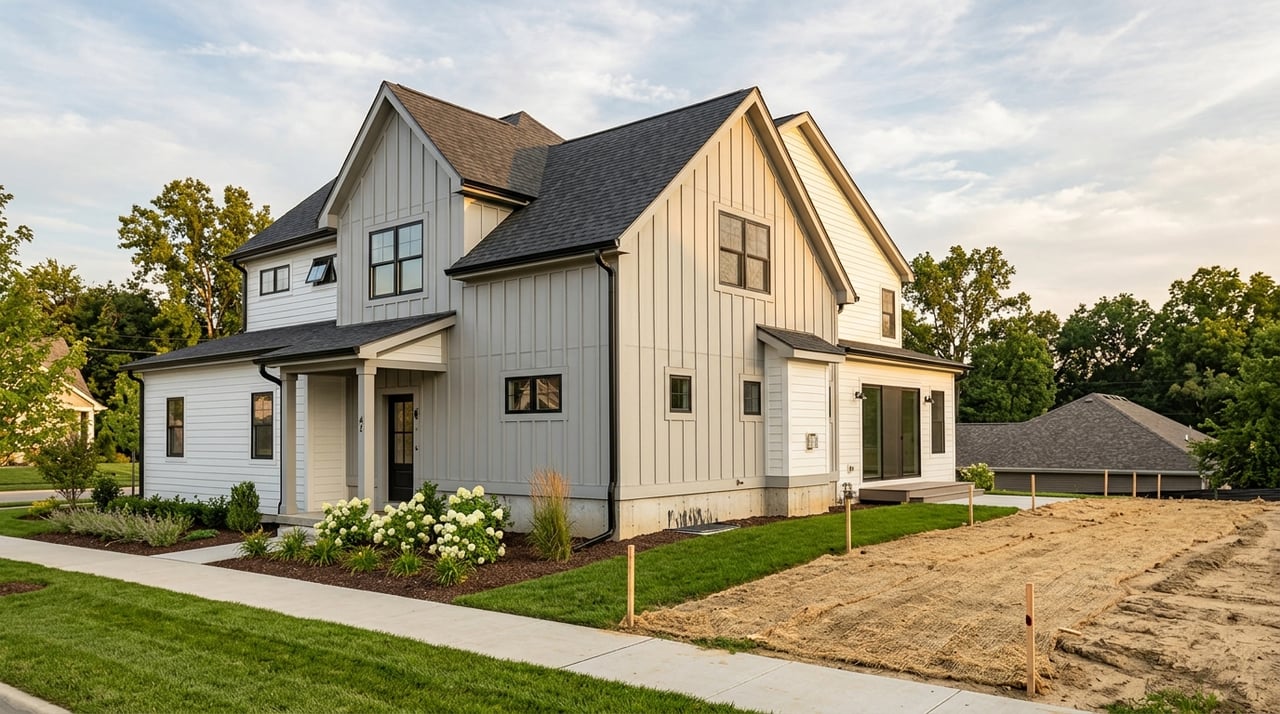
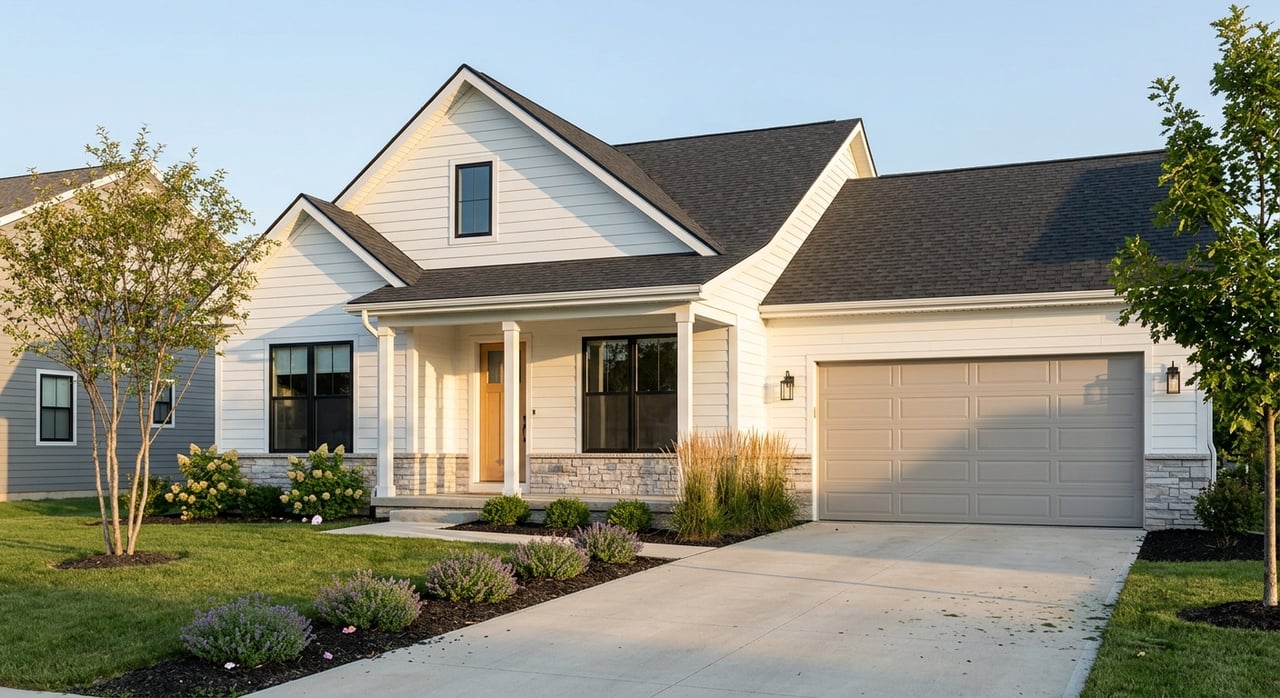
Dell Rapids is a small city in Minnehaha County with a primarily residential feel and close‑knit neighborhoods. It also functions as a commuter town for the Sioux Falls metro area, which supports demand from buyers seeking more space while staying near regional jobs. Housing includes older single‑family homes, newer subdivisions, and some infill and new‑construction activity. Because the city is small, inventory is limited and monthly numbers can swing more than in larger markets.
Prices: how we track them
The most reliable pricing view is the 12‑month median sale price. That figure finds the middle of closed sales over the last year and smooths out outliers. For trend, compare the current 12‑month median to the prior 12‑month median to see the percentage change. This rolling method gives you a steady picture without month‑to‑month noise.
Build price tiers with quartiles
To understand the entry, mid, and upper segments, sort the last 12 months of closed sales by price and mark the 25th, 50th, and 75th percentiles. These quartiles create objective brackets for Dell Rapids rather than guessing at price bands. Across tiers, you’ll often see patterns in finished square feet, bedroom counts, lot size, and age or condition. Using quartiles helps both buyers and sellers focus on realistic comps in the right bracket.
Quick steps to check price
- Pull 12 months of closed sales within Dell Rapids city limits.
- Record the median sale price and the 25th and 75th percentiles.
- Compare today’s 12‑month median with the prior 12‑month period to gauge direction.
- Review typical features by tier to align expectations for size and condition.
Inventory and pace
Inventory tells you how much choice buyers have and how competitive sellers need to be.
- Active listings count: The number of homes for sale today. Pair it with a 3‑ or 6‑month average to add context.
- Months of inventory: Active listings divided by the average monthly closed sales over the last 12 months.
- Under 3 months is typically a seller’s market.
- Three to 6 months is often balanced.
- Over 6 months tends to favor buyers.
- Absorption rate: Closed sales during a period divided by active listings at the start. Higher absorption means homes are getting taken off the market faster.
- Days on market (DOM): Track both median and average. Also note the share that go under contract within 14, 30, and 60 days to see how fast the market moves.
- Sale‑to‑list price ratio: Sale price divided by the final list price, expressed as a percent. Ratios near or above 100% point to tight negotiation room; lower ratios signal more give.
What this means for you
- If months of inventory is low and DOM is short, expect faster sales and stronger pricing for well‑presented homes.
- If supply rises and DOM stretches, buyers gain leverage and sellers need sharper pricing and presentation.
- In small markets like Dell Rapids, use multi‑month averages and medians to avoid being misled by one unusual sale.
Seasonality you can plan around
Dell Rapids follows a classic small Midwestern pattern:
- Spring (March–June): The busiest season with the most new listings and contracts. Pricing strength often peaks in late spring and early summer.
- Summer (June–August): Activity continues but can slow in midsummer. New‑construction lots and listings often appear.
- Fall (September–November): Activity eases. Buyers may find a bit more negotiating room.
- Winter (December–February): The slowest stretch with fewer listings and closings. Those who are active are often motivated and price‑sensitive.
Families often try to time moves with the school calendar. Weather can also nudge timing. If you want maximum exposure, spring is usually your best bet. If you want less competition, late fall and winter can work in your favor.
New construction vs resale
New‑build activity influences both pricing and selection in Dell Rapids. When builders bring more homes or lots to market, buyers see more choice and sellers may face more competition. To understand the balance:
- Check the share of closed sales that are new construction versus resales over the last 12 months.
- Review recent city building permits and subdivision activity to see what is in the pipeline.
- Compare new‑build pricing and incentives against similar resale homes. Incentives can change the effective price.
If you are weighing a new build against a resale, line up total costs, timeline, and features side by side. Our team works regularly with new construction and can help you evaluate options and coordinate the process.
How to read comps the right way
Picking the right comparables is the heart of good pricing and offers in a small market.
A practical comp checklist
- Location: Start within the same subdivision or within a half to one mile when possible.
- Timeframe: Aim for sales within the last 6–12 months.
- Property match: Keep to the same type, similar beds and baths, and within about 10–20% of finished square feet.
- Lot and features: Note lot size, garage count, basement finish, major updates, and overall condition.
- Adjustments: If no twin exists, apply simple, documented dollar adjustments for size, garage, finishes, and key features.
Plain‑English advice
Use at least three solid comps to build a low‑to‑high range and a likely target within it. Remember that list price is a marketing number. Sale price, seller concessions, and the sale‑to‑list ratio tell the real story. For buyers, protect yourself with inspection and appraisal contingencies and know when a multiple‑offer situation may call for stronger terms. For sellers, pricing to drive early showings is essential. Overpricing can lead to longer DOM and lower net in the end.
Our comp method
We pull the last 12 months of closed single‑family sales in Dell Rapids, filter for homes in the same area and within a tight size range, then study condition and features. We present a comp range and explain the adjustments behind it so you can choose a price or offer with confidence. In a low‑volume market, we use medians and rolling windows to keep results stable.
Closing timelines and contract speed
Time to contract depends on seasonality, price tier, and presentation. Median DOM gives a good benchmark for how long you might market before accepting an offer. Your purchase agreement typically includes inspection and financing contingencies. Lender timelines and appraisal scheduling can affect your exact closing date. The goal is to align your move with the market’s pace so you avoid rushed decisions.
Active listings: how to watch them
Because counts change weekly, pair any single snapshot with a live view of today’s listings. Track:
- New this week: Fresh listings within the last 7–14 days.
- Price changes: Signals of shifting demand or seller motivation.
- Under contract fast: Homes that go pending within 14–30 days hint at hot segments.
If you want a current snapshot for Dell Rapids along with recommended properties that fit your goals, we will compile it and walk you through the details.
Buyer takeaways
- Use the 12‑month median and quartiles to set budget expectations by tier.
- Watch months of inventory and DOM to gauge how aggressive your offer needs to be.
- Compare new construction versus resale on total cost, timing, and features.
- Keep inspection and appraisal strategies aligned with the level of competition.
Seller takeaways
- Price against the most recent, truly comparable sales and aim for strong early showings.
- Combine professional presentation with a strategy that fits seasonality and demand.
- Monitor sale‑to‑list ratios and DOM to adjust quickly if the market shifts.
- Consider nearby new construction as you plan pricing and incentives.
Why work with us
You deserve clear guidance and a clean process from list to close. Berberich Real Estate Group combines local market expertise, white‑glove listing support, and organized buyer representation to help you time the market, price with confidence, and negotiate well. If you want a current Dell Rapids snapshot or a tailored plan for your move, we are ready to help.
Berberich Real Estate Group — Schedule a consultation.
FAQs
What is the current median home price in Dell Rapids?
- Use the 12‑month median from recent closed sales in Dell Rapids for the most reliable figure; we can pull a fresh snapshot and explain the trend.
How many homes are on the market in Dell Rapids right now?
- Active listing counts change weekly; pair today’s count with months of inventory for context so you know whether conditions favor buyers or sellers.
How fast do homes sell in Dell Rapids?
- Median days on market offers the best read; expect faster pace in spring and early summer and a slower rhythm during winter months.
How competitive are offers in Dell Rapids?
- The sale‑to‑list price ratio shows negotiation pressure; when ratios approach 100% there is less room to negotiate, while lower ratios signal more flexibility.
How do I pick good comps for my Dell Rapids home?
- Match neighborhood, size, and recent timeframe first, then adjust for condition and features; use at least three strong comps to set a realistic range.
Are there many new‑build options in Dell Rapids?
- The share of new construction changes with permits and subdivision activity; we track this alongside resales to help you compare costs, timelines, and incentives.
Is now a good time to sell in Dell Rapids?
- Compare your personal timing with months of inventory, DOM, and seasonal patterns; if supply is tight and pace is quick, well‑prepared listings often perform best.