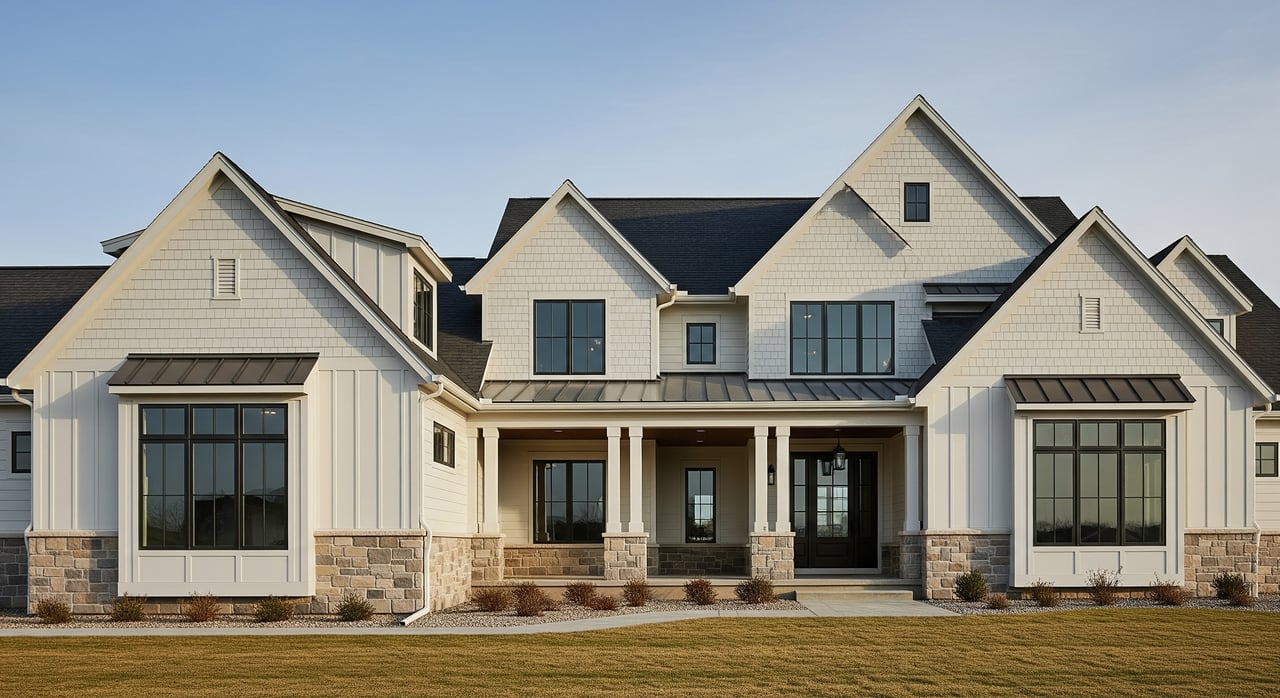
Brandon SD Home Appraisal Process: A Local Guide
January 15, 2026
January 15, 2026
Curious how appraisals work in Brandon and what you can do to be ready? You’re not alone. Whether you’re buying, selling, or refinancing, the appraisal is a key step that can shape your timeline and budget. In this guide, you’ll learn how appraisals are done, how comparables are chosen in a smaller market like Brandon, what most affects value locally, and exactly how to prepare. Let’s dive in.
An appraisal is a licensed appraiser’s written opinion of a property’s market value at a specific point in time. Lenders use it to help decide how much they will lend, and it is also used for estate, tax, or divorce purposes. The goal is to provide an independent estimate supported by verified data.
Appraisers follow the Uniform Standards of Professional Appraisal Practice and South Dakota licensing rules. For mortgage loans, lenders and agencies set additional requirements to keep the process consistent and independent. The result is a report with photos, notes, comparable sales, adjustments, and a final reconciled value.
For most purchases and refinances, the lender orders the appraisal and pays the appraiser. The fee is often passed to you as a standard closing cost. While you, your agent, or the seller can share facts about the property, the appraiser must remain independent and cannot be directed toward a specific value.
Most single-family appraisals rely on the Sales Comparison Approach, which compares your home to recent, similar closed sales and adjusts for differences. Appraisers may also use the Cost Approach for new or unique homes and the Income Approach for rentals or investment properties.
The inspection itself is usually about an hour. Report delivery often takes a few days to one or two weeks, depending on local workload and lender steps. Fees vary by market and property complexity, but typical mortgage appraisals for single-family homes nationally run from a few hundred dollars to several hundred dollars.
In a smaller suburban market like Brandon, exact matches are rare. Appraisers focus on three basics: proximity, similarity, and time. They look first for recent closed sales in the same or nearby area that share market influences, then match features like size, age, condition, bedroom and bath counts, basement finish, garage, and lot size. Recency matters, so sales from the last three to six months are preferred.
When the pool of sales is limited, the appraiser may expand the search radius, consider older sales with time adjustments, or reference nearby areas with similar buyer pools. In Brandon, that can include parts of the Sioux Falls metro if the market conditions and amenities are comparable. The report will explain why any out-of-area comps were appropriate.
Brandon sits within the Sioux Falls metro, so local values reflect regional job trends, commute patterns, and overall inventory. The Brandon Valley School District can influence buyer demand and pricing for many family-focused moves. Appraisers consider school district effects when they shape buyer behavior.
Lot features carry weight in suburban settings. Larger lots, privacy, orientation, and views can add value. Condition and permitted updates matter too. Quality, documented improvements like a new roof, HVAC, kitchen remodel, or a permitted addition are more likely to be recognized than undocumented work.
Finished basements are common and valued in this region, with adjustments based on finish quality and ceiling height. Utilities also play a role. Properties on municipal water and sewer typically command more than similar homes on private systems, all else equal. Floodplain location, drainage, or environmental issues can reduce value or require disclosure. Appraisers check flood maps and county data to confirm status.
If the appraisal comes in at or above the contract price, lending usually proceeds. If it comes in low, your lender will base financing on the appraised value, not the contract price. You and the seller can then decide how to bridge the gap.
Common paths include a price reduction, you bringing extra cash to closing, or a mix of concessions. You can also ask the lender for a reconsideration of value by submitting new evidence, or in some cases the lender may order a review or second appraisal. If your contract allows, you can cancel.
Getting organized can help the appraiser understand the full picture of your home. Share facts, not pressure, and let the data speak.
If you need to confirm details, several local offices can help. The Minnehaha County Assessor’s Office has parcel data, assessed values, and property sketches. The City of Brandon building and planning departments can verify permits, zoning, and allowed improvements. The Brandon Valley School District can confirm school boundaries. FEMA flood maps and local floodplain information can confirm flood status. Your agent can also pull recent closed sales from the Sioux Falls area MLS to frame expectations.
A clear plan can remove stress and keep your closing on track. If you want help coordinating staging, minor repairs, and a clean appraisal-ready packet, our team is here to guide you step by step. Connect with the friendly local pros at Berberich Real Estate Group to get started.

Our agents are committed to keeping you informed about all relevant aspects of the sales process – from lead generation to actual sale. Simply put, our agents will keep you posted every step of the way.