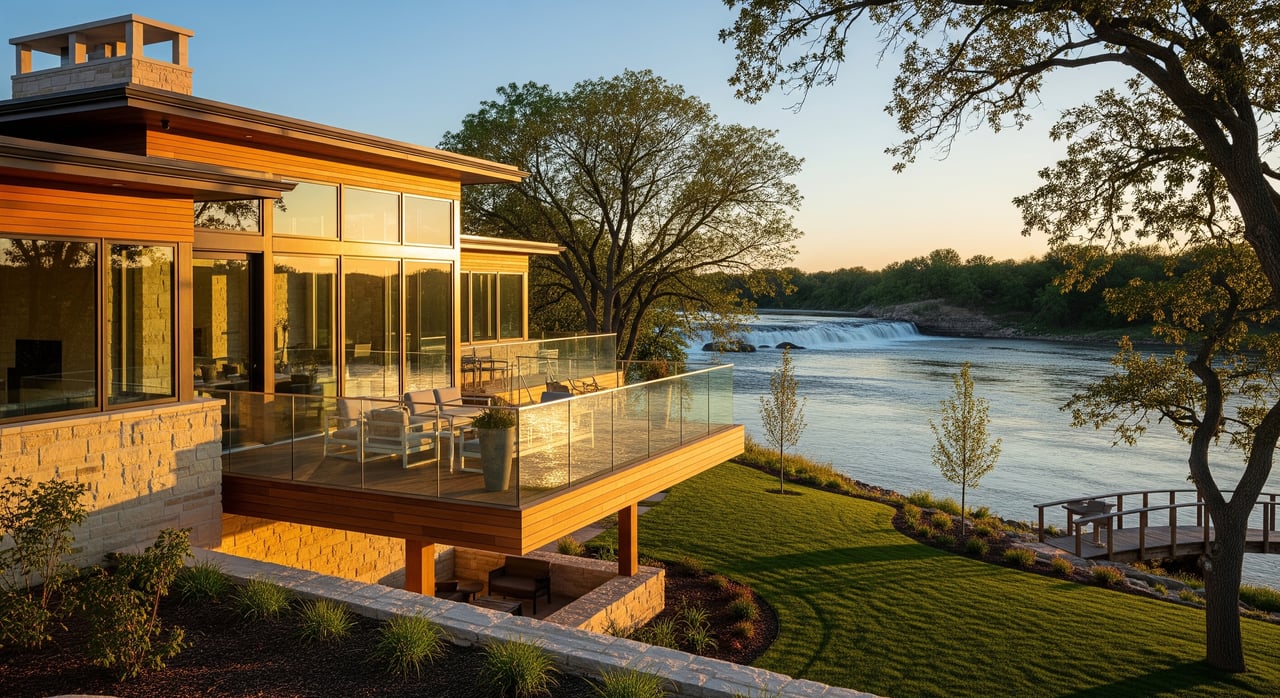
Ever picture your morning walk starting on a riverside trail, with the sound of water and a view of quartzite falls? If you are drawn to nature and easy access to parks, living near the Big Sioux in Sioux Falls can be a great fit. This guide breaks down what daily life is like, where you might find homes near the river, key benefits and tradeoffs, and the due diligence steps that smart buyers take. Let’s dive in.
Why the Big Sioux draws people
The Big Sioux River runs north to south through the city and gives Sioux Falls its name. The falls themselves anchor Falls Park, a signature destination near downtown with views, events, and plenty of photo spots. You can get a feel for the area’s energy by exploring Falls Park details from Visit Sioux Falls.
A major perk of river living is the Big Sioux River Greenway, a multi-use trail and green corridor that follows much of the river. The Greenway supports walking, running, biking, and wildlife viewing, with seasonal fishing and paddling in calmer stretches. For maps and updates on parks, trails, and access, check the City of Sioux Falls Parks & Recreation.
Where you might live near the river
Downtown and Falls Park corridor
Close to the falls and the historic core, you’ll see early brick and stone structures, character homes, and condominiums. This area favors walkability, skyline and river views, and proximity to downtown restaurants and events. Homes here often trade on location and scenery.
Near parks like Sertoma Park
Around large parks, the zoo, the amphitheater, and trailheads, you’ll find established residential streets and some infill. Housing typically includes older single-family homes with access to the Greenway. These pockets can offer quick trail access and easy park days.
Suburban and modern near-river areas
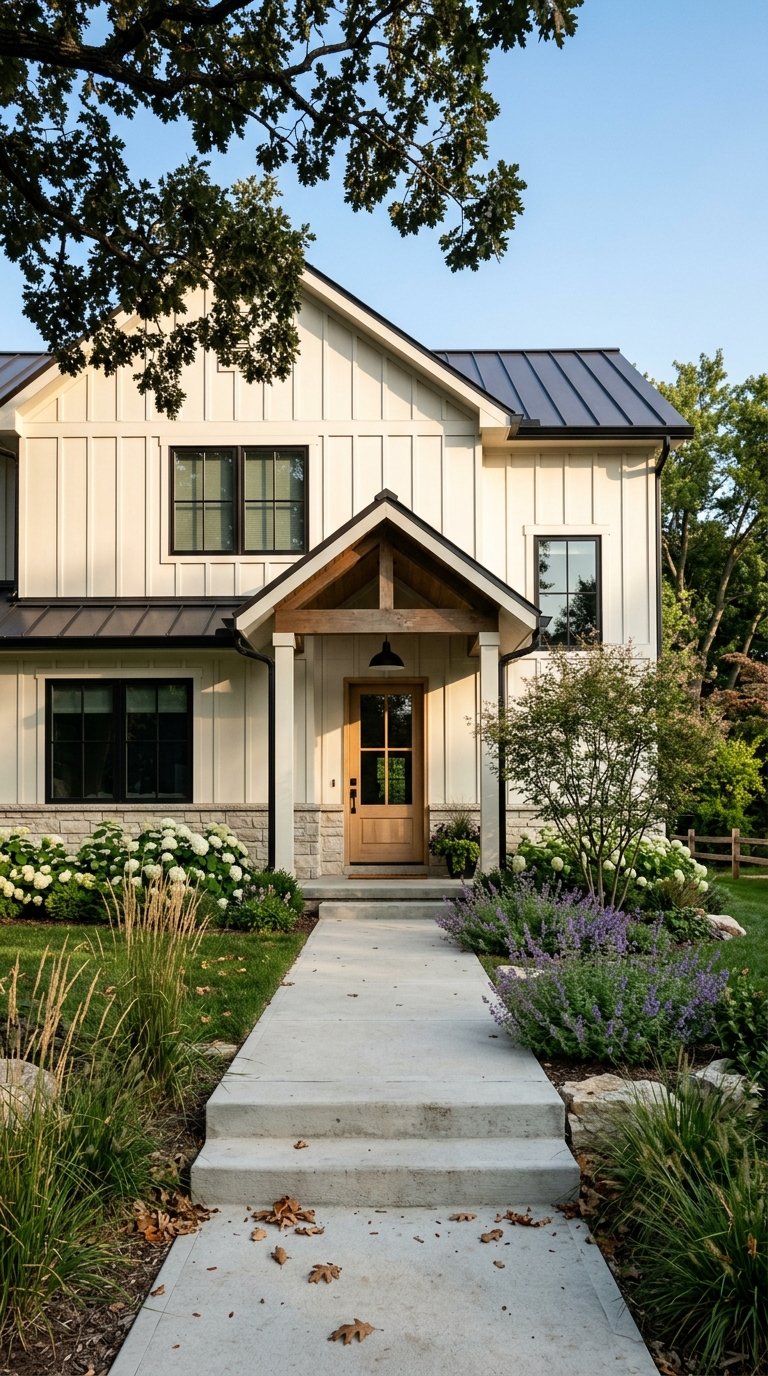
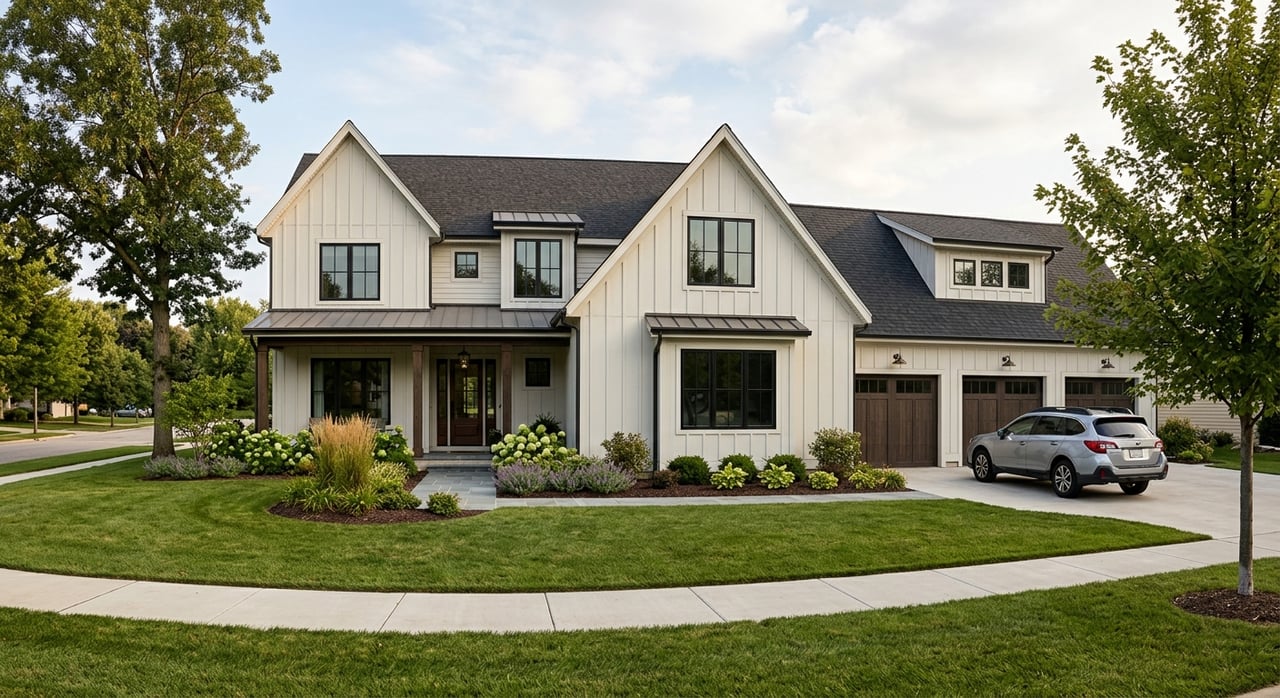
On the eastern and southern edges of the city, newer subdivisions and planned communities sit within reach of the Greenway. You’ll see modern single-family homes, with attached garages and yard space suited to suburban living. Some townhome and condo options exist closer to downtown or along Greenway connections.
River-adjacent can mean a direct riverfront lot, a lot that backs to the Greenway, or a home within a short walk, often within about a quarter to a half mile. Exact neighborhood names and boundaries vary locally, so use city or county maps for specifics.
Home styles and lot types
- Historic riverfront: Tudor, Colonial Revival, bungalow, and prairie-style homes, often with mature trees and smaller urban lots.
- Mid-century near parks: Ranch and split-level homes on established lots.
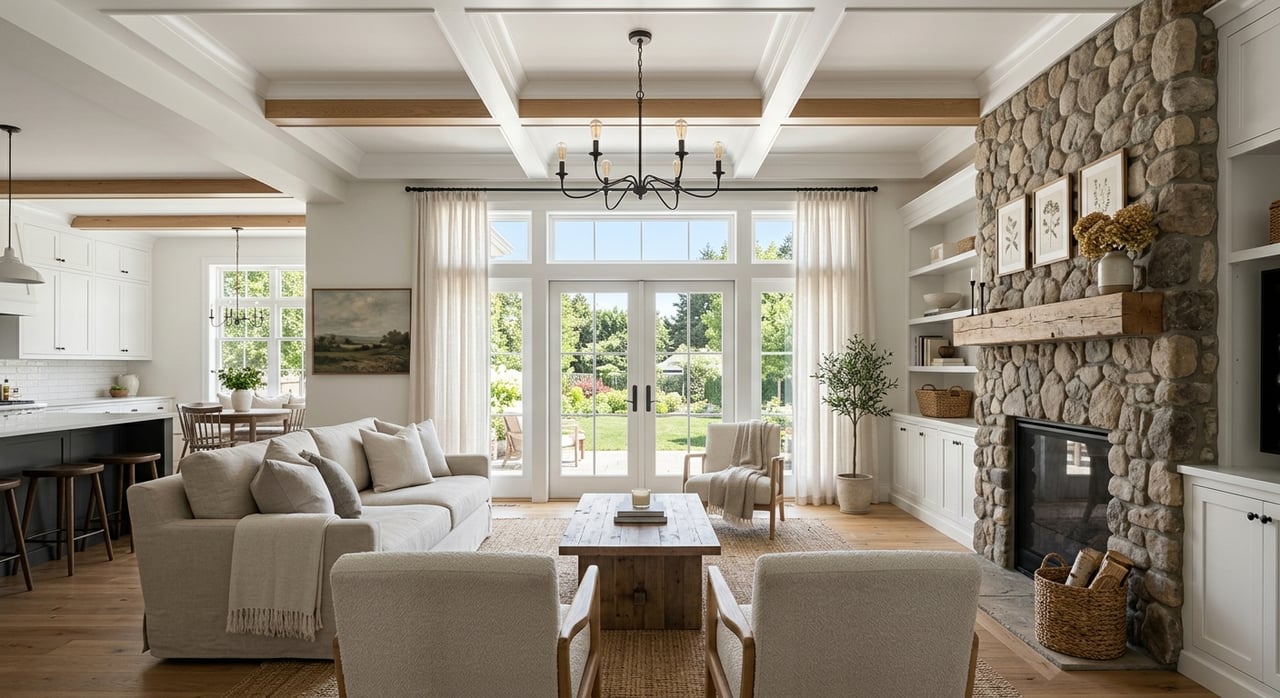
- Newer developments: Contemporary single-family homes with modern floor plans, plus some townhome or condo buildings near downtown or Greenway access points.
Lifestyle benefits you’ll notice
- Scenic views and daily nature: Many near-river homes offer visual access to water and green space, ideal for morning runs, dog walks, or birding.
- Recreation right outside: The Greenway supports year-round walking and cycling, with seasonal paddling and fishing where conditions allow.
- Community and events: Falls Park and nearby Greenway nodes host festivals and gatherings, making it easy to join in civic life.
- Long-term appeal: Park-adjacent and scenic properties often remain desirable, especially in walkable, amenity-rich areas.
Risks and tradeoffs to plan for
- Flood risk and rules: Some parts of the river corridor fall within mapped FEMA floodplains. This can trigger elevation requirements, special building rules, and lender-required flood insurance for mortgaged properties. Review the FEMA Flood Map Service Center and confirm local ordinances with city staff.
- Erosion and slope stability: Riverbanks can shift. Older properties may have retaining walls or riprap of varying quality that require monitoring or repairs.
- Insurance and lending: If a home sits in a Special Flood Hazard Area, lenders typically require flood insurance. Even outside mapped zones, some buyers opt for voluntary coverage based on elevation and local history.
- Seasonal nuisances and water quality: Expect mosquitoes in warmer months and occasional wildlife like geese or raccoons. For water-quality advisories and monitoring, consult the South Dakota Department of Environment and Natural Resources.
- Easements and maintenance: Properties near the Greenway can have public trail or utility easements, setback rules, and limits on structures near the bank. Confirm details with city planning and public works.
- Noise and crowds: Homes close to Falls Park and event areas can see higher activity, especially during festivals.
Buyer due diligence checklist
Flood and hazard checks
Property-level inspections
- Order a general home inspection. Where applicable, add a geotechnical or soils opinion for slope stability and a structural review of any retaining walls or shoreline protection.
- Ask for seller disclosures on historical flooding, drainage changes, and prior bank or foundation repairs.
Insurance and costs
- Get quotes for flood insurance early and confirm lender requirements. Ask your agent about typical costs and timelines for policy binding.
Regulations and setbacks
- Confirm riparian setbacks, any vegetative protection rules, and permit needs for decks, additions, docks, or shoreline work with the City of Sioux Falls.
Water quality and recreation
- Check current and historical advisories with the South Dakota DENR. Ask Parks & Recreation about boat access, signage, and permitted uses along specific Greenway segments.
Access and utilities
- Verify municipal water and sewer connections, especially for older properties. Clarify any private wells or septic systems in edge areas.
Neighborhood fit and commute
- Map commute routes, confirm school boundaries with official sources, and note parking and walkability if downtown access is important.
How to approach the search
Start by deciding how close to the river you want to live and which Greenway segments you use most. From there, you can focus on home styles that fit your needs, from historic character to new-construction options with modern layouts. Because river-view and Greenway-adjacent listings are limited, timing and preparation matter.
A local guide can help you target micro-areas, review flood maps, and plan specialized inspections where needed. When you are ready to tour or compare neighborhoods, reach out to Berberich Real Estate Group for local insight and a streamlined buying plan.
FAQs
How much more will I pay for riverfront in Sioux Falls?
- Riverfront and direct river-view homes often carry a premium that varies by location, condition, and amenities; ask for current MLS comps and a localized estimate.
Do I need flood insurance for a Big Sioux property?
- If the home is in a mapped Special Flood Hazard Area and you have a mortgage, lenders typically require flood insurance; check the FEMA Flood Map Service Center and consider voluntary coverage outside mapped zones.
Can I build a deck or dock near the river?
- Many shoreline projects require permits and must follow riparian rules and easements; confirm what is allowed with City of Sioux Falls planning and public works.
Is the Big Sioux River Greenway maintained year-round?
Are there water-quality concerns on the Big Sioux?
- Water quality varies by season and location like many urban waterways; review current advisories and monitoring at the South Dakota DENR.