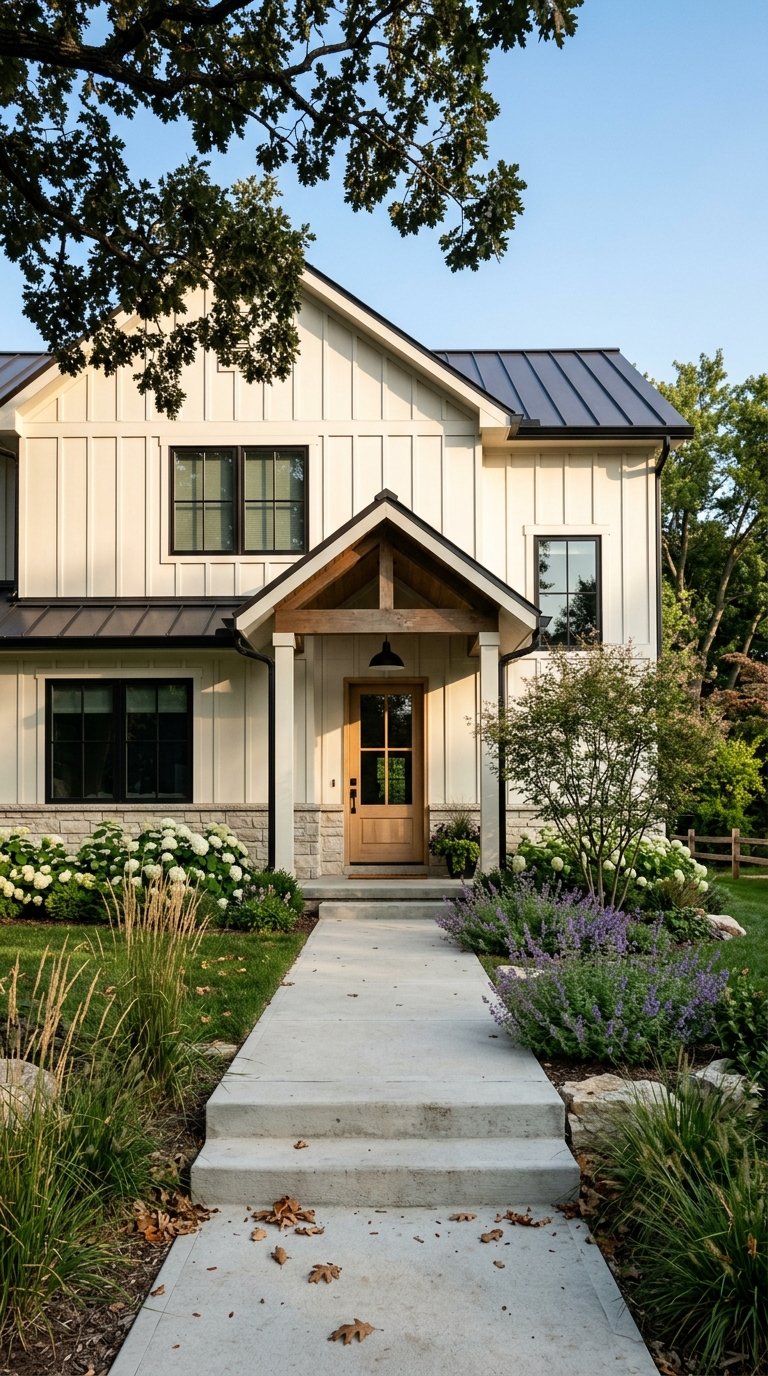
Best Time to Sell in Sioux Falls: When to List
May 14, 2026
May 14, 2026
If you are trying to time a home sale or purchase in Sioux Falls, you are not alone. Many buyers and sellers wonder if they should act now, wait for spring, or hold off until the market feels easier. The good news is that local data shows clear seasonal patterns, and once you understand them, you can make a smarter move with more confidence. Let’s dive in.
The best time to buy or sell in Sioux Falls depends on what matters most to you. If you want the largest pool of buyers for your listing, spring and early summer have been the strongest windows in recent local data. If you want less competition from other sellers or a quieter buying environment, fall and winter may work better.
That is why timing is not just about the calendar. It is also about your home’s condition, your moving timeline, your financing, and how flexible you can be during the process.
Local reports for Sioux Falls point to a market that stays active throughout the year, even though activity rises and falls by season. The Realtor Association of the Sioux Empire notes that monthly swings can look dramatic in smaller local data sets, so the numbers are best used as direction rather than exact prediction.
Even so, the direction is helpful. In December 2025, Sioux Falls had 242 new listings, 190 closed sales, a median sale price of $311,463, 864 homes for sale, and 3.5 months of supply. A separate metro reading showed median days on market at 49 in April 2026, down from 73 in January and 67 in December 2025, which suggests homes were moving faster as the market warmed up.
Sioux Falls also continues to grow, which helps support housing demand beyond the busiest months. The city reported 5,088 new residents in 2025, a total population of 224,676, more than $1.327 billion in construction valuation, and 5,615 building permits. That included 357 single-family dwellings, 403 townhouse units, and 1,168 multifamily units.
If your main goal is exposure, spring is usually the strongest time to list in Sioux Falls. In March 2025, the city saw 382 new listings and 217 closed sales. April climbed to 500 new listings and 247 closed sales, and May reached 505 new listings with 283 closed sales.
Those months also had about 1,000 homes for sale, with 4.1 months of supply in April and 3.6 months in May. That usually means many buyers are actively shopping, but it also means you will face more competition from other listings.
June 2025 stayed strong, with 298 closed sales, 840 homes for sale, and 3.1 months of supply. That was the lowest inventory level among the cited 2025 monthly reports. For many sellers, that kind of setup can create strong visibility and a relatively quick market pace.
If your home is ready to photograph, show, and launch cleanly, late spring into early summer can be a very practical listing window. You may benefit from active demand while avoiding some of the earliest spring rush.
Late summer and fall usually cool off compared with spring. July had 462 new listings and 277 closed sales, August dropped to 415 new listings and 228 closed sales, and October posted 427 new listings with 247 closed sales. By November, new listings had fallen to 262, and days on market stretched to 88.
That softer pace is not always bad for sellers. If you want fewer competing listings around you, late summer or fall may be worth considering. The tradeoff is that your home may take longer to sell, so pricing and presentation matter even more.
Winter is usually the quietest time for new supply. January 2025 had 398 new listings and February had 323, which was well below May’s 505. February also saw average days on market rise to 94.
That does not mean winter is a bad time to list. It means your listing needs to stand out. If your home is move-in ready, well-priced, and presented well, winter can still be a workable season, especially because serious buyers are still in the market.
For buyers, spring usually offers the widest selection. Listing counts tend to rise the most in March, April, and May, so you are more likely to see a range of homes hit the market. That can be helpful if you have specific needs and do not want to feel boxed in by limited inventory.
The downside is competition. Because the market remains fairly active in spring, you may need to move quickly when the right home appears.
If you are hoping for a quieter buying season, winter may be worth a look. January and February had fewer new listings than spring, and homes generally took longer to sell, with 85 days on market in January and 94 in February.
That slower pace can create more room for negotiation. The tradeoff is fewer homes to choose from, so winter tends to work best if you are flexible and already preapproved.
One of the clearest takeaways from local data is that waiting for the perfect season may not be the best strategy. With metro median days on market at 49 in April 2026, the Sioux Falls area was still moving at a healthy pace. In other words, if you are financially ready and your needs are clear, being prepared may matter more than trying to guess the perfect month.
That is especially true if your timeline is tied to a job change, a growing household, or a move-up purchase. In those cases, your personal readiness often has more impact than the season alone.
Sioux Falls buyers are not limited to resale homes. The city’s 2025 permit report shows meaningful new-construction activity, including 357 new single-family dwellings, 403 townhouse units, and 1,168 multifamily units.
If you are open to new construction, you may have more flexibility with timing. Builder schedules, completion dates, and inventory homes can create opportunities outside the usual spring resale peak. That can be especially helpful if you want modern finishes or need more time to coordinate a move.
In Sioux Falls, the weather can shape your moving experience almost as much as the market. NOAA climate normals show average annual snowfall of 45.3 inches, with snow commonly occurring in January, February, March, April, November, and December. Precipitation is heaviest in May and June.
That means winter moves can be tougher from a logistics standpoint. Spring may bring stronger buyer activity, but it can also be wetter and messier for showings, moving trucks, and curb appeal. When you plan your timing, it helps to think beyond market stats and look at the practical side of the move too.
If you are selling in Sioux Falls, spring and early summer are usually the strongest seasons for buyer traffic, sales activity, and overall momentum. If you are buying, spring may give you the most options, while winter may offer a calmer pace and better negotiating conditions.
Still, the best answer is personal. A well-prepared seller can do well outside peak season, and a well-prepared buyer should not ignore a good opportunity just because the calendar says it is the wrong month. The key is matching market timing to your actual goals, budget, and moving plan.
When you want a strategy built around your timeline, home, and next move, Berberich Real Estate Group can help you plan with local insight and a clear process.




Our agents are committed to keeping you informed about all relevant aspects of the sales process – from lead generation to actual sale. Simply put, our agents will keep you posted every step of the way.